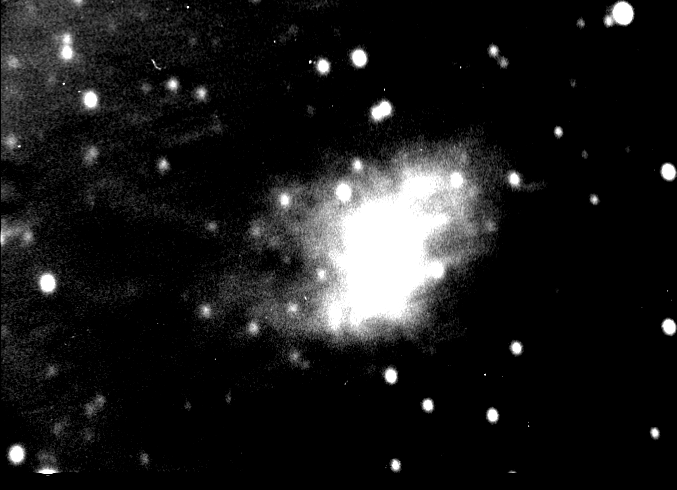
The Crab Nebula are about 6,500 light years away from the Earth. Another name for this planetary nebula
is M1. John Bevis discovered it in 1731 and is the subject of the largest mosaic created with the Hubble
Telescope, over three months of work.
Click on the image for full-screen view, and click again to exit full-screen mode
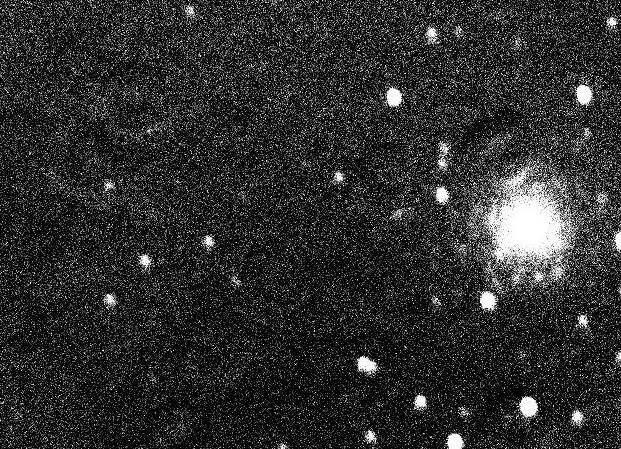
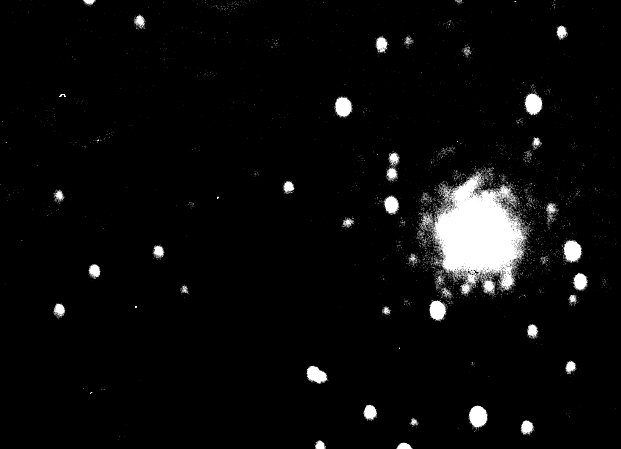
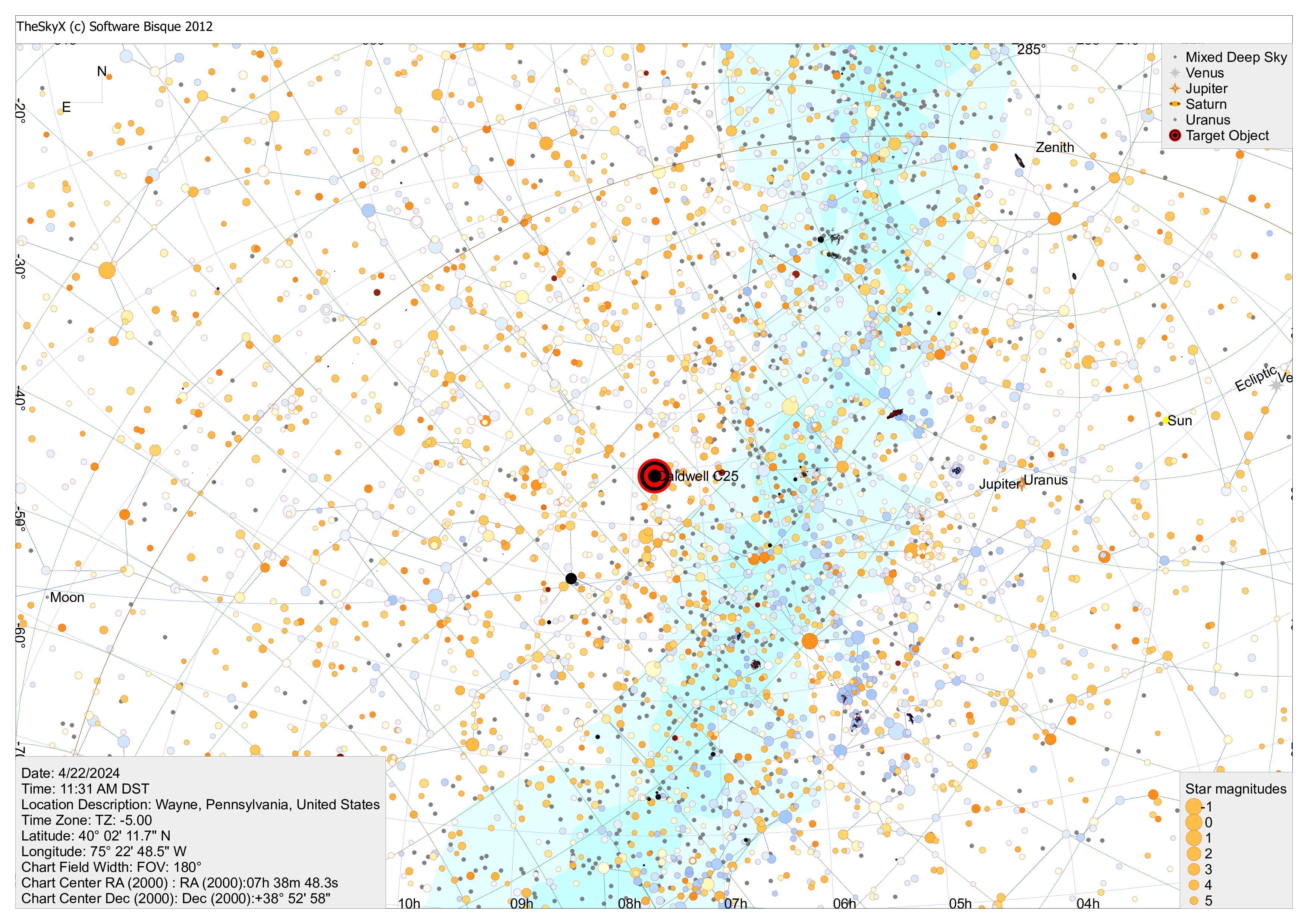
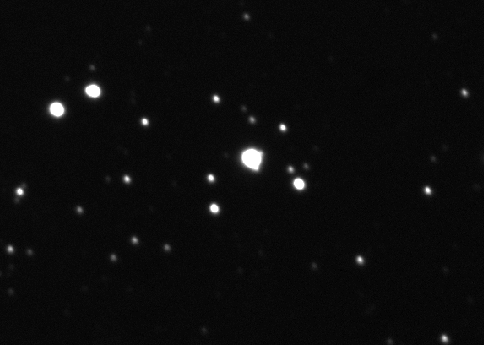
Caldwell 25, also known as NGC 2419, is a globular cluster located approximately 300,000 light-years
from Earth. It has a brightness magnitude of 10.4. This cluster was discovered by the astronomer Willi
Herschel on New Year’s Eve of 1788. It is significant as it is often called "the intergalactic wanderer"
due to its considerable distance from Earth.
About 5.2 light-years away from the Earth, Caldwell 50 is an open cluster within the Monoceros
constellation. Its magnitude is 4.8. Sir Patrick Caldwell-Moore first cataloged Caldwell 50 in the
1990s.
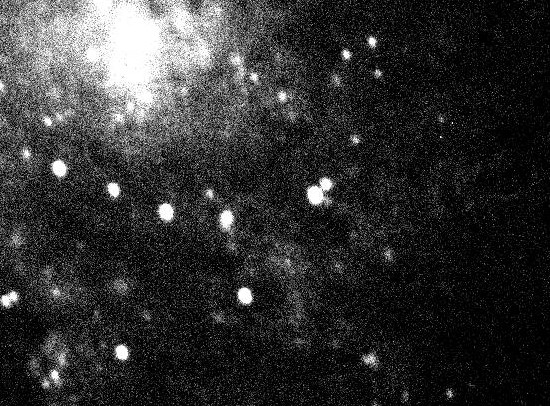
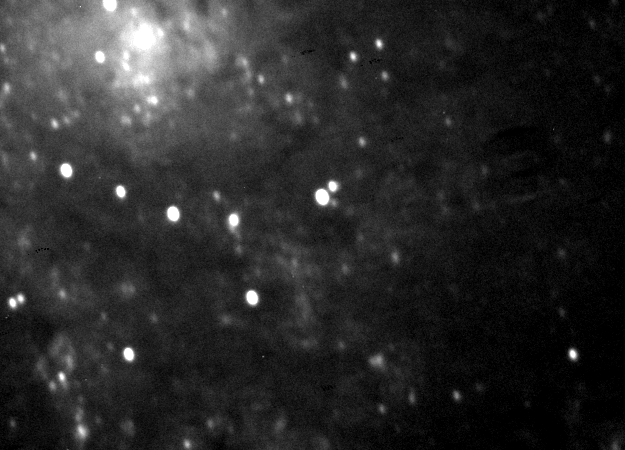
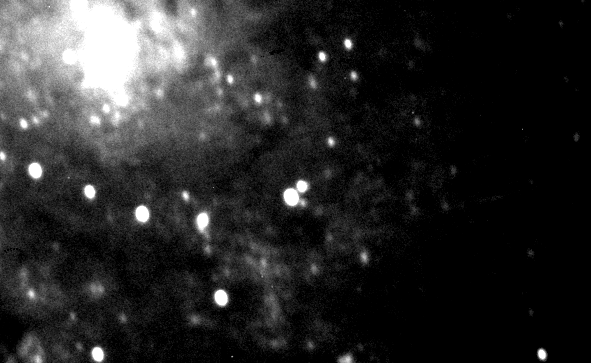
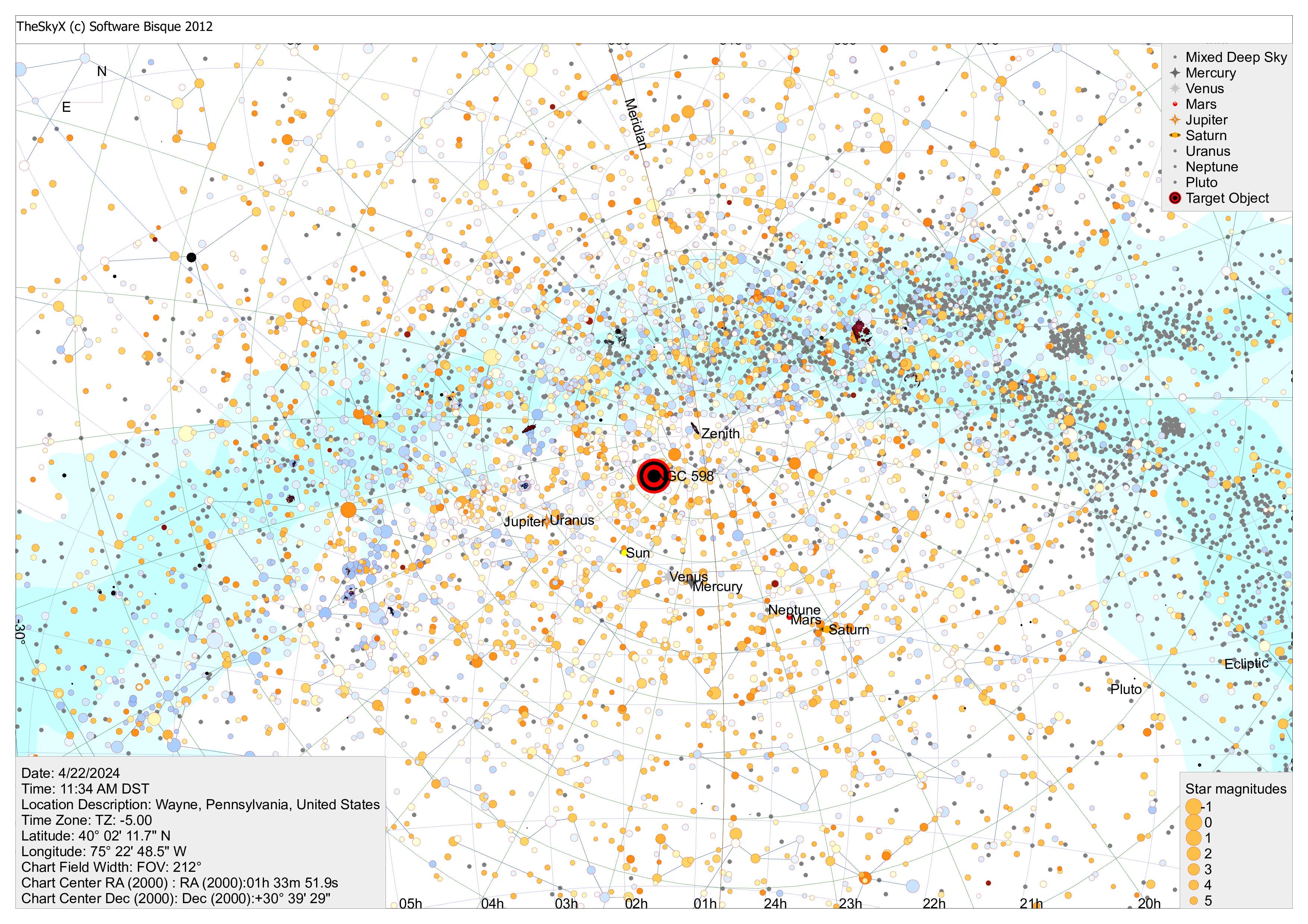
Found in the constellation Triangulum, the galaxy m33 is about 14,000 light years away from the Earth,
with a magnitude of 5.7 in brightness. Charles Messier was the first to catalog this galaxy in August
1754. Edwin Powell Hubble used it to get the distance of several other variable stars.
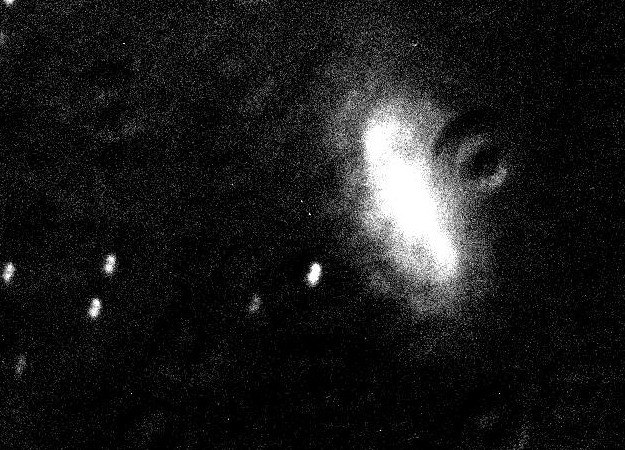
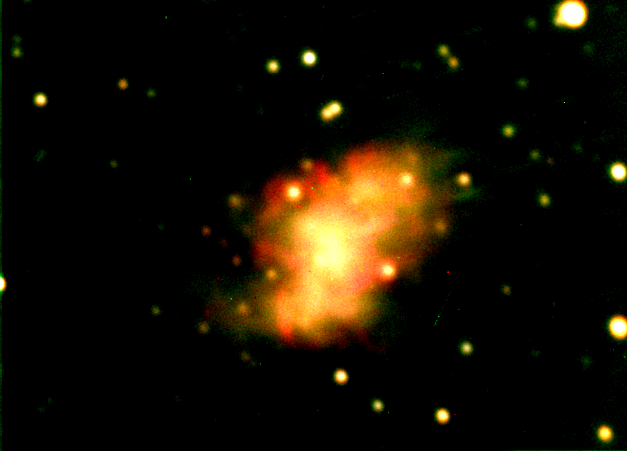
Raw Image Taken With CCD Camera
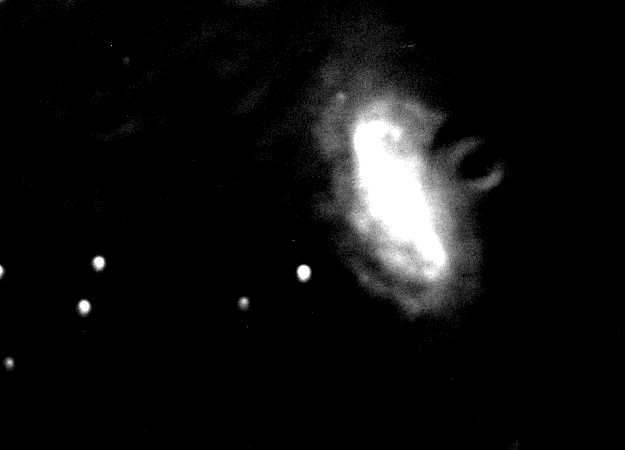
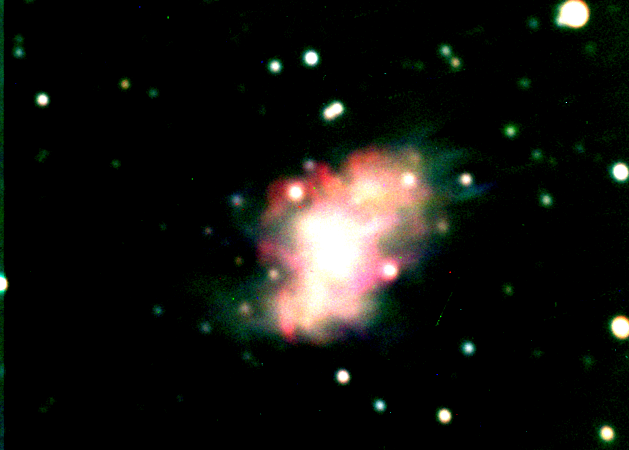
M33 Image Post-Processing Version 1
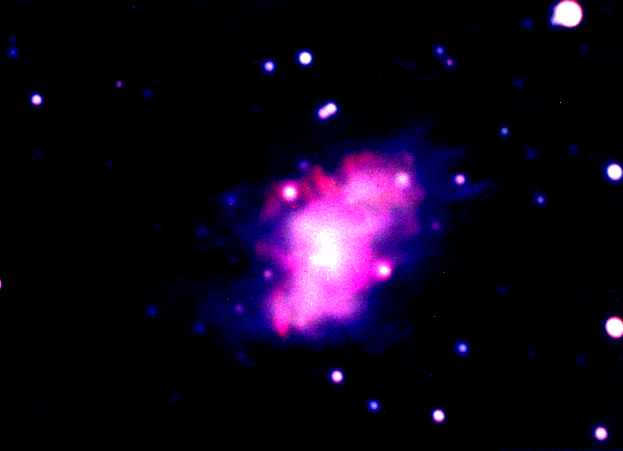
M33 Image Post-Processing Version 2 ~Showing Galaxy's Brgihtness~
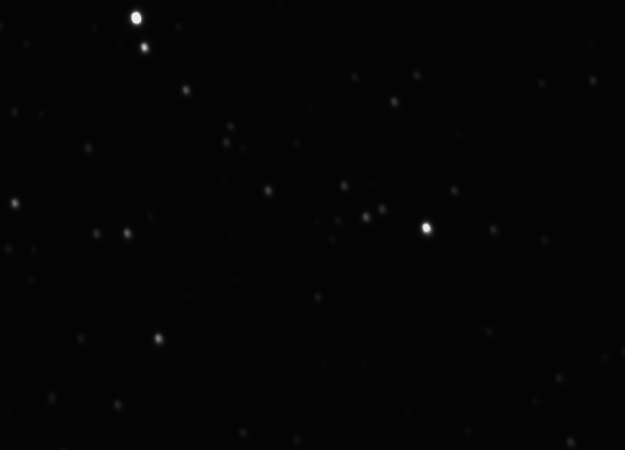
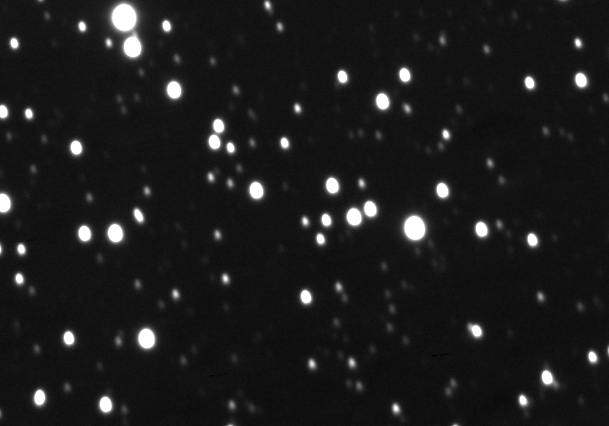
M35 is an open cluster located in Gemini. This cluster has a magnitude of 13; 120 of the stars are
brighter than this and is 2,800 lightyears away from the Earth. This cluster was first discovered by
Jean-Philippe Loys de Chéseaux in 1745. This cluster occupies an area roughly the size of the moon.
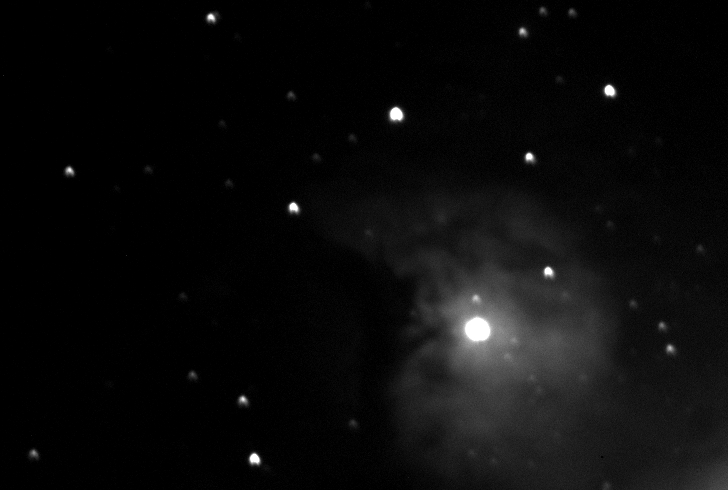
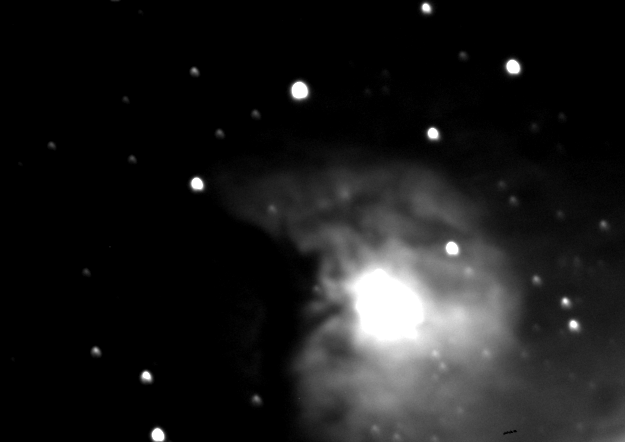
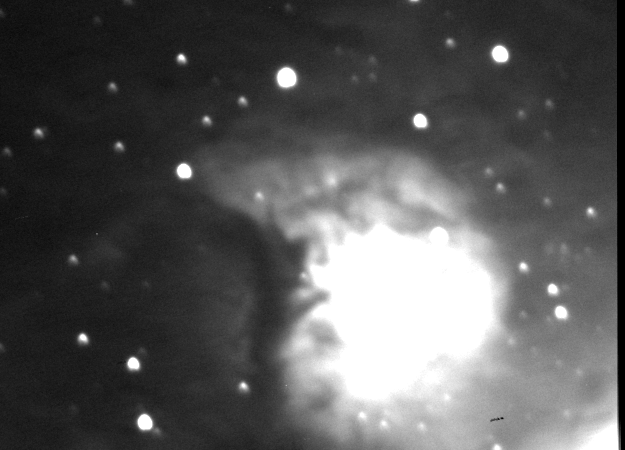
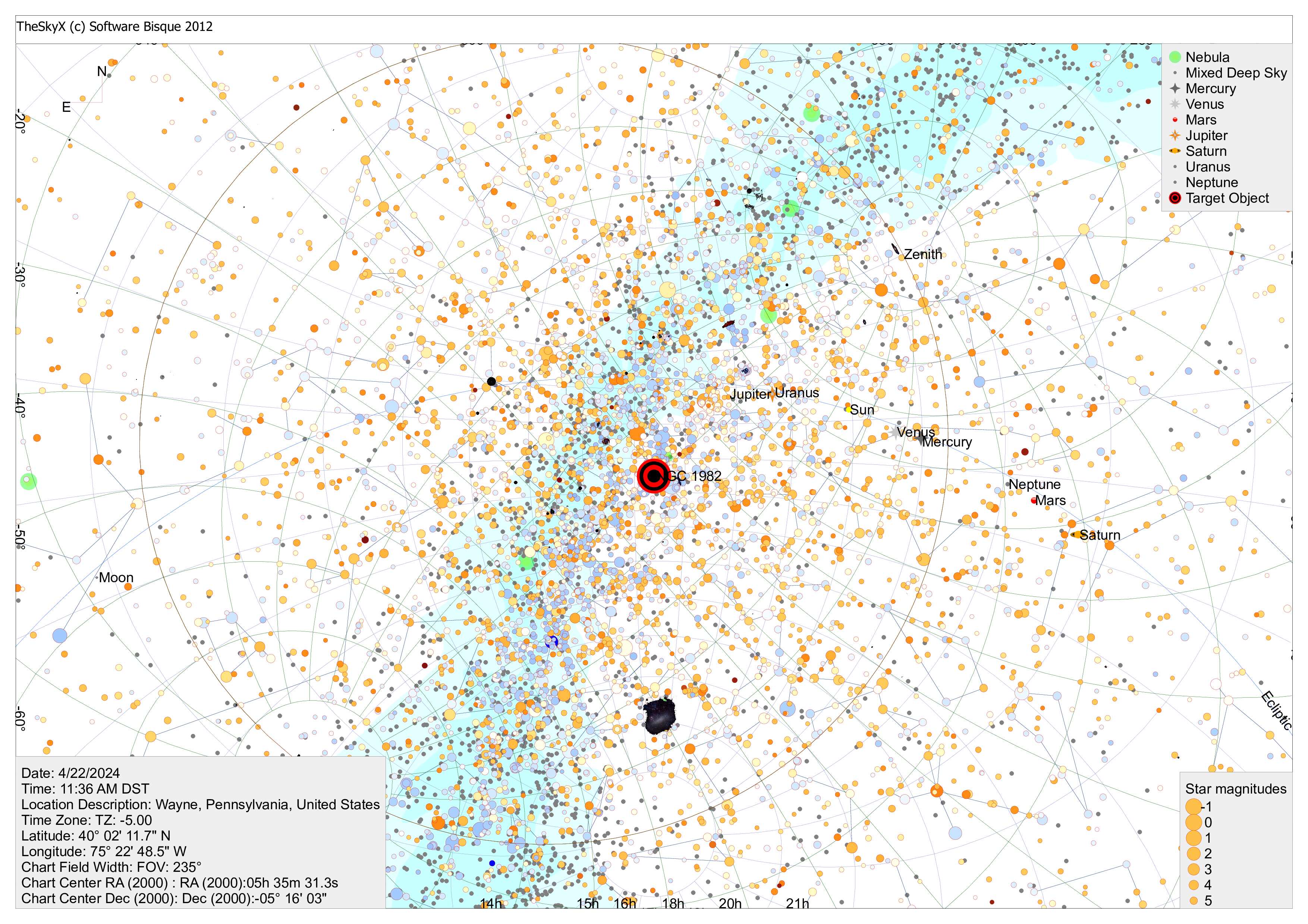
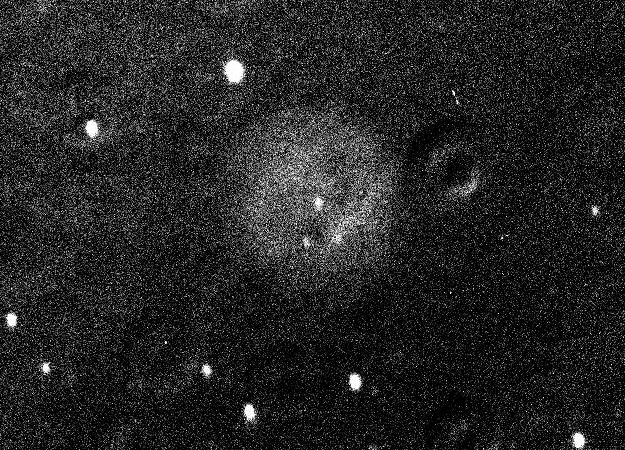
M43 is a nebula in the Orion constellation, about 1,600 light years away from Earth, with an apparent
magnitude of 9.0. It was discovered by Jean-Jacques d’Ortous de Mairan in 1731. This cluster is also the
closest massive star formation to Earth.
Raw Image Taken With CCD Camera
M43 Image Post-Processin Version 1
M43 Image Post-Processin Version 2 ~Revealing Brightness of Galaxy~
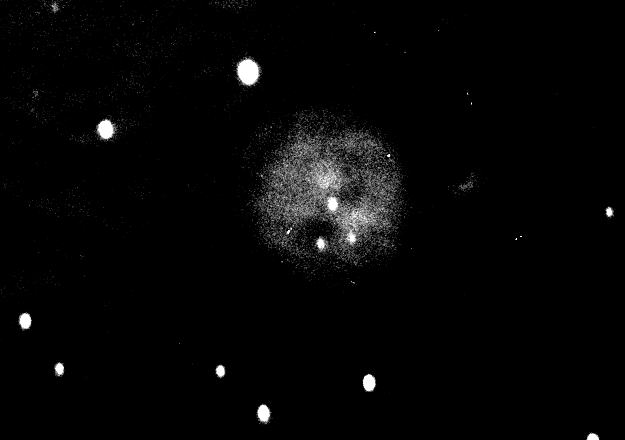
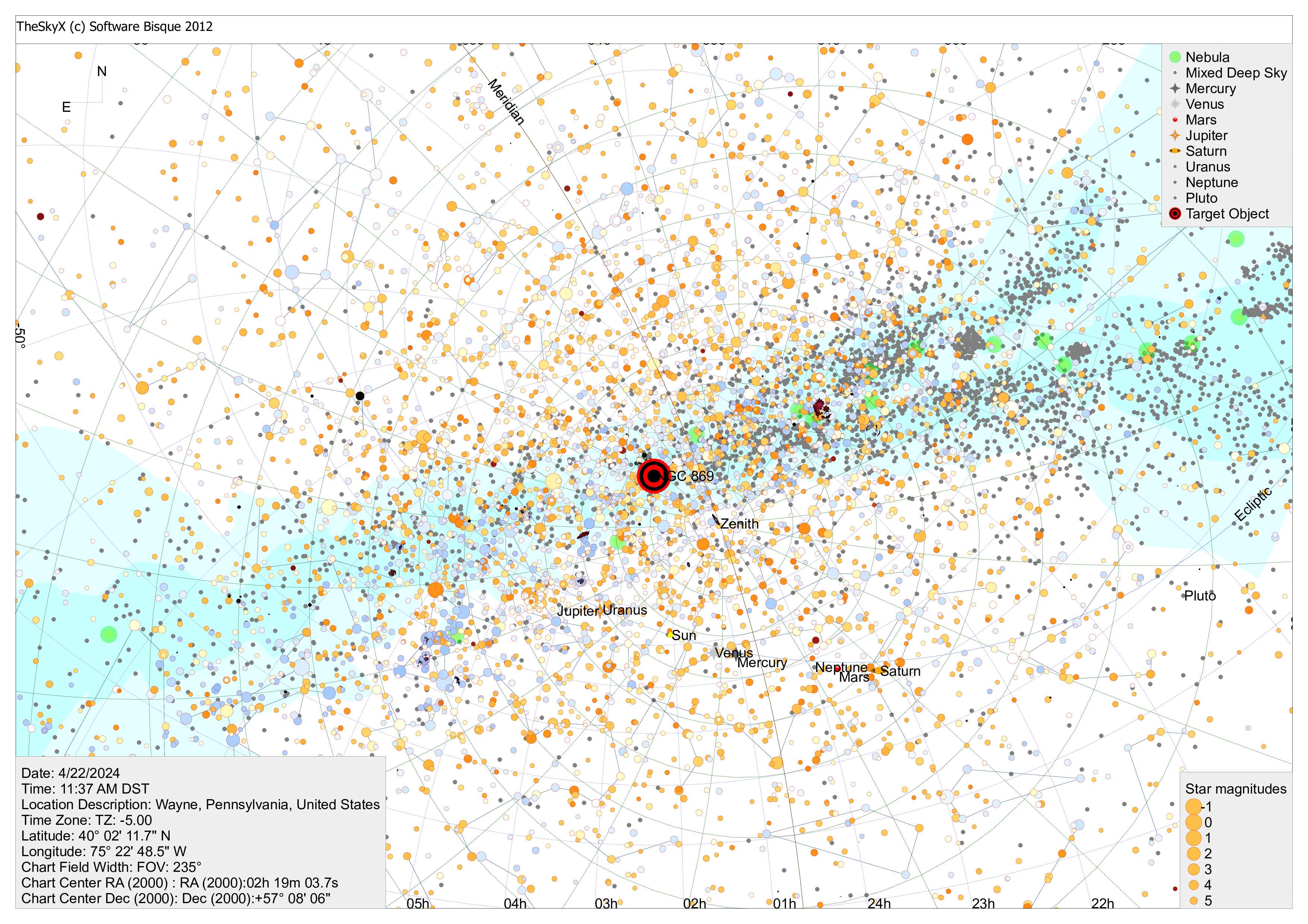
Caldwell 14 is an open cluster located in the constellations Perseus and Cassiopeia. This cluster also
has the name of NGC 869. Caldwell 14 has a magnitude of 5.3 - 6.1 brightness and is 7,500 lightyears
away from the Earth. In the early 19th century, William Herschel recognized the object as two separate
clusters
NGC 2903 is a Spiral Galaxy located about 20.5 million light years from the Earth and has a brightness
of 8.9 magnitude. William Herschel also discovered this spiral Galaxy, which was cataloged as H I.56 on
November 16, 1784.
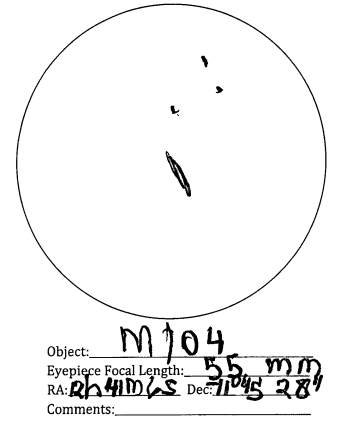
The Sombrero Galaxy is about 28 million light-years away. Also known as M104, the Sombrero Galaxy has a
brightness of 8.0 and can be found in the constellation Virgo. M104 was first discovered by the French
astronomer Pierre Méchain, one of Charles Messier’s colleagues, in 178
Picture Attributes
EYEPIECE FOCAL LENGTH = 55 mm RA = 12h 41m 6s DEC = -11° 45' 28"
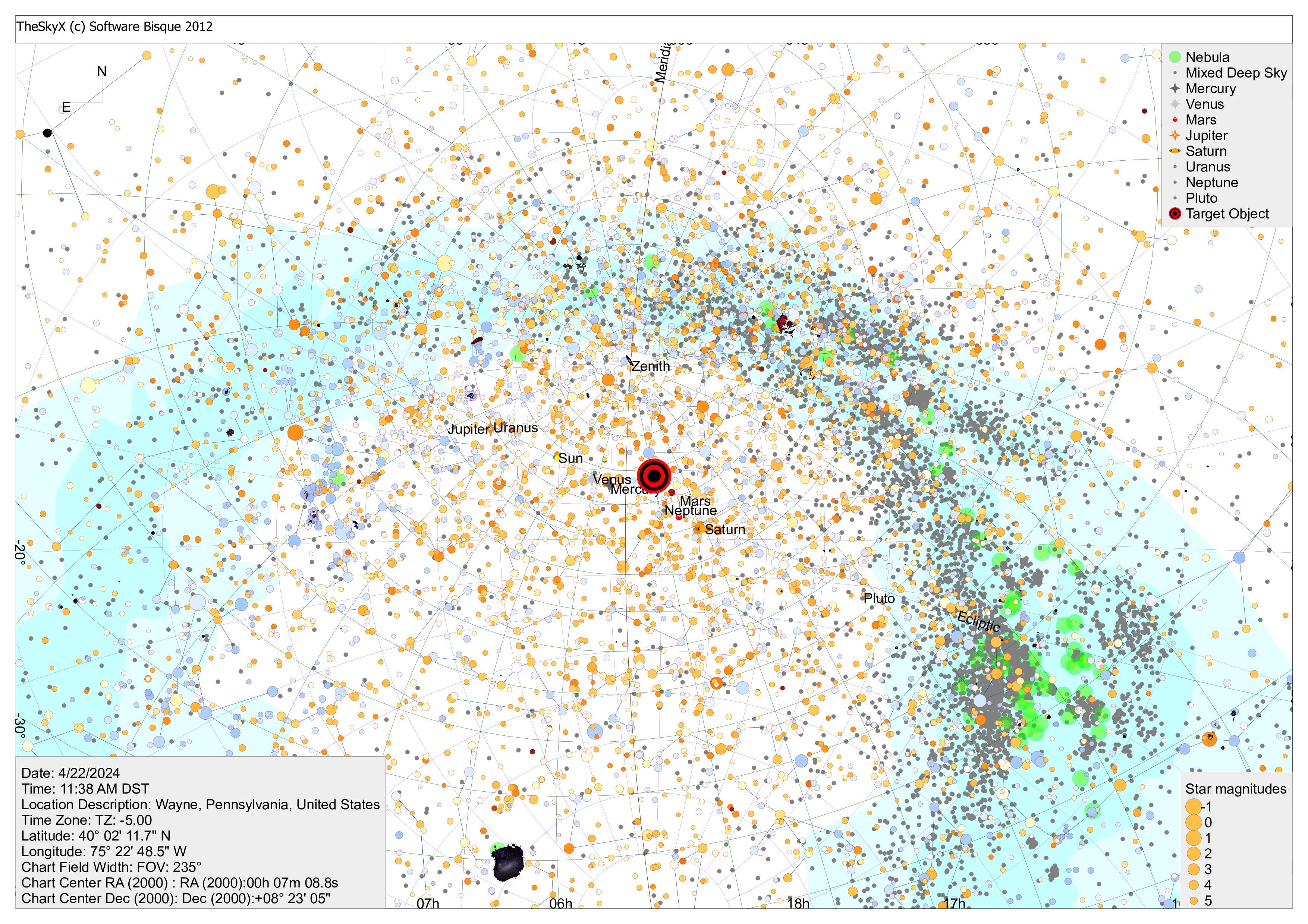
M104 Star Map
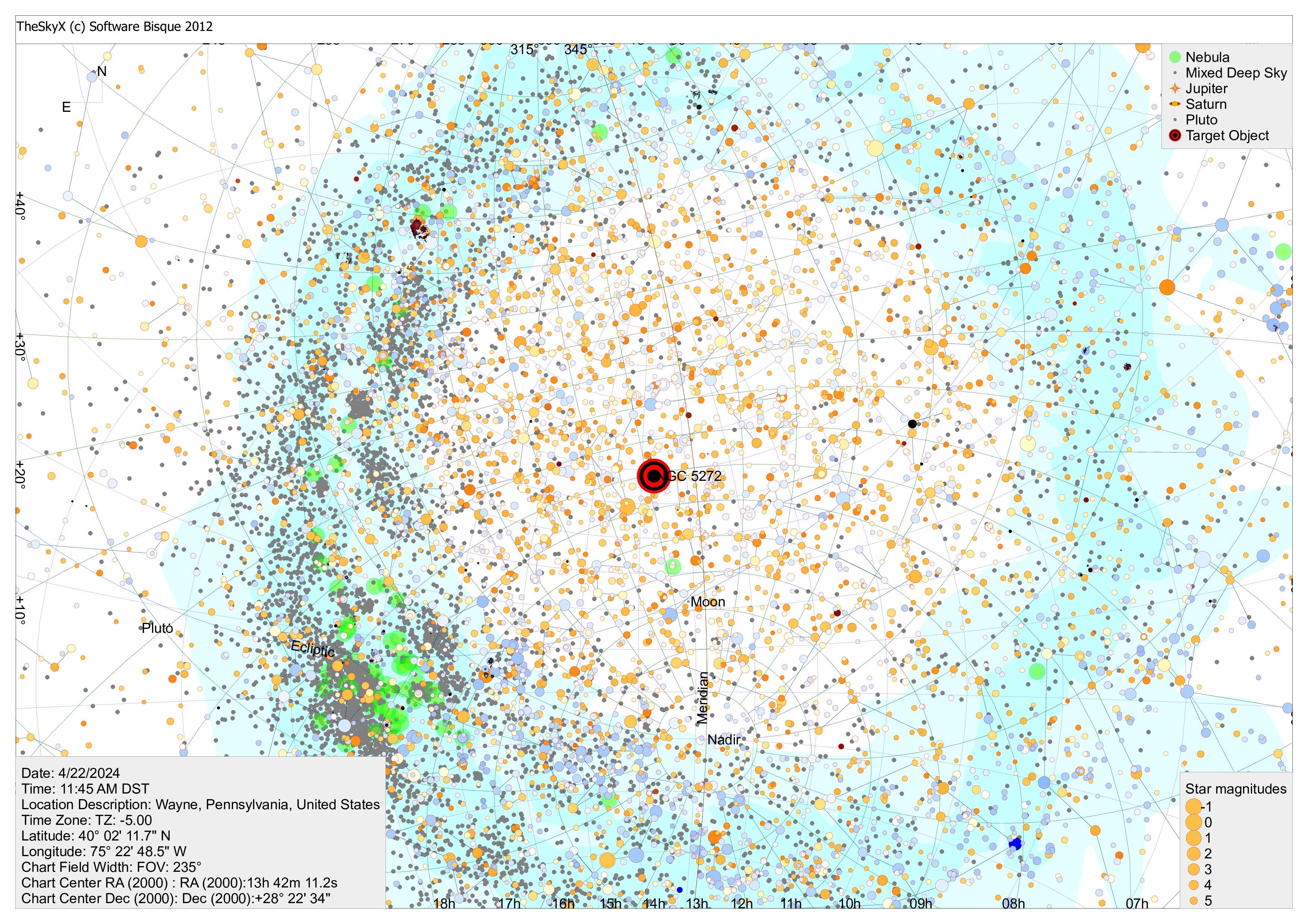
M3
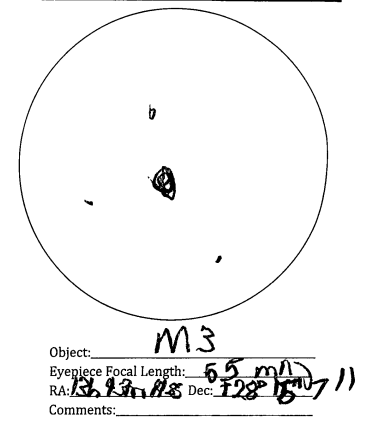
M3 is a globular cluster located about 34,000 light years away, with a brightness of 6.2 magnitudes. It
was discovered by William Hershel in 1784 and has more variable stars than any other cluster
Picture Attributes
EYEPIECE FOCAL LENGTH = 55 mm RA = 13h 93m 19.8s DEC = +28° 15' 7"
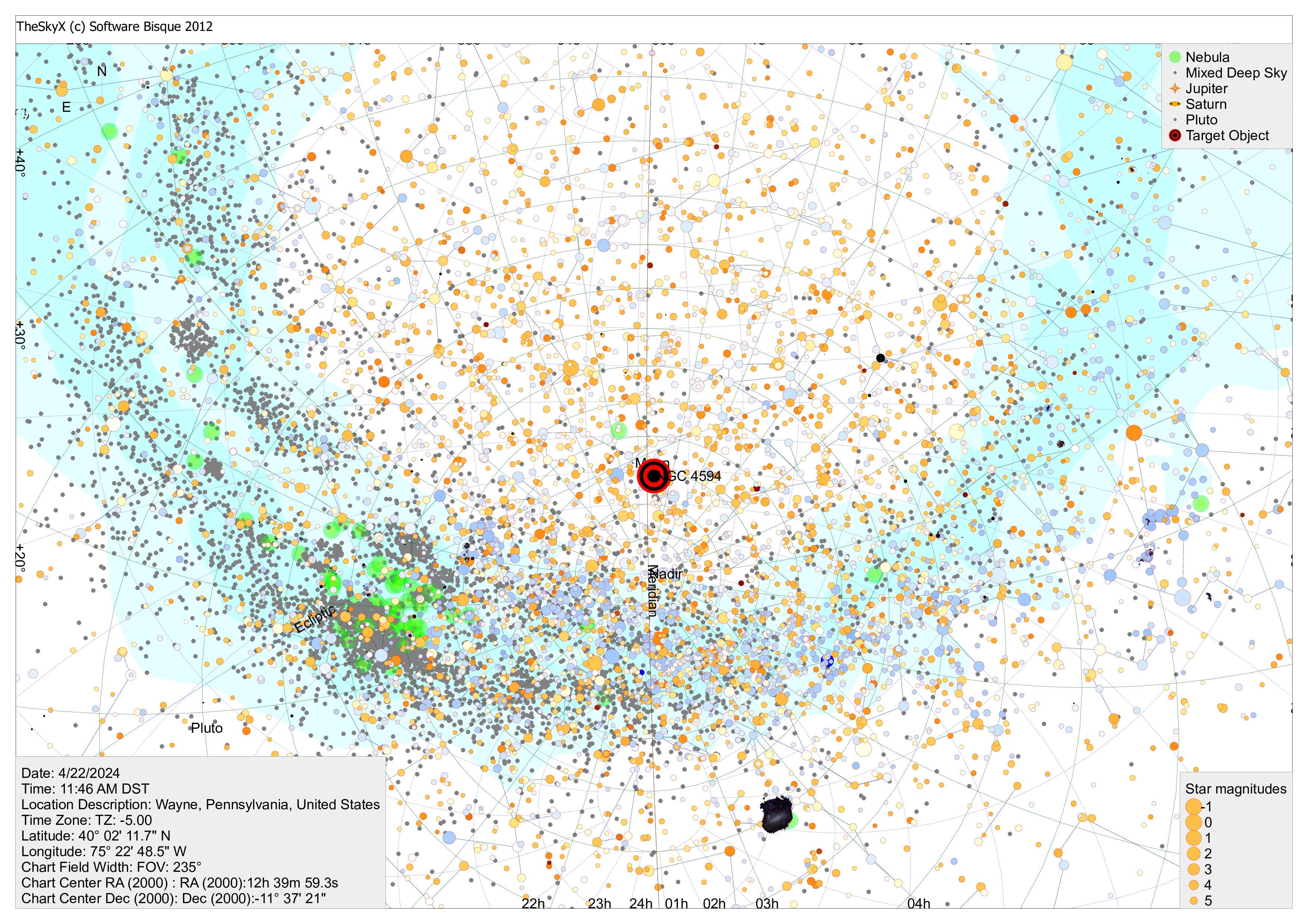
M3 Star Map
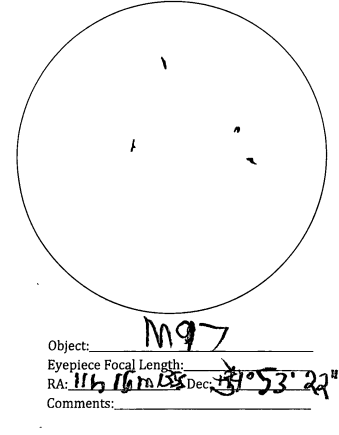
M97
M97, the Owl Nebula, is roughly 2030 light-years from Earth with a brightness of 9.9 magnitude. This was
first sketched by William Parsons in 1848 and is in the Constellation Hydra.
Picture Attributes
EYEPIECE FOCAL LENGTH = 55 mm RA = 11h 16m 13.55s DEC = +34° 53' 22"
M97 Star Map
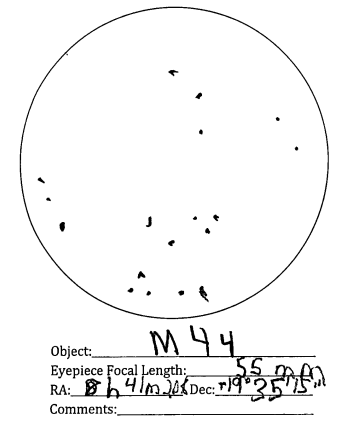
M44
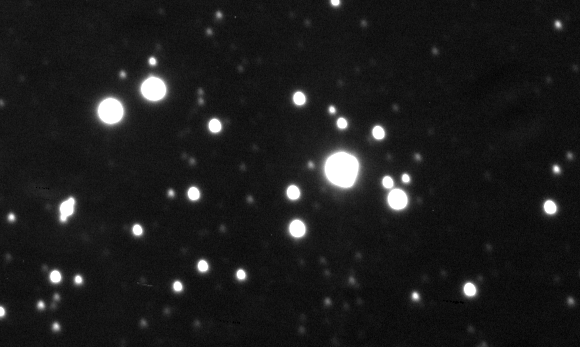
M44, also known as the Beehive Cluster, is about 577.4 light years away from the Earth with a brightness
of 3.1 magnitude. Galileo was the first to see it in 1609. Utah chose the Beehive cluster to be the
official state symbol in 1996.
Picture Attributes
EYEPIECE FOCAL LENGTH = 55 mm RA = 8h 21m 20.8s DEC = +19° 35' 15"
M44 Star Map
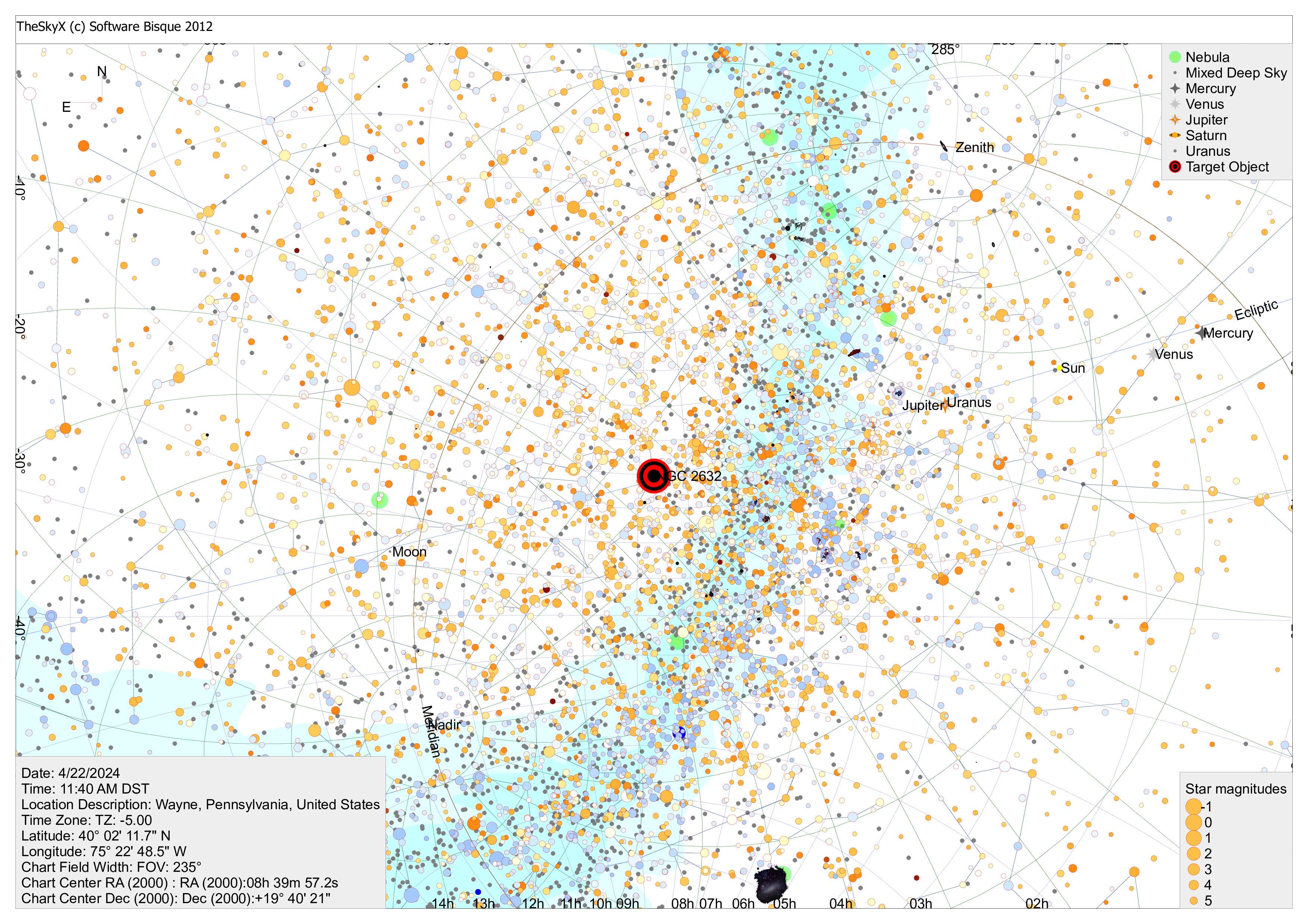
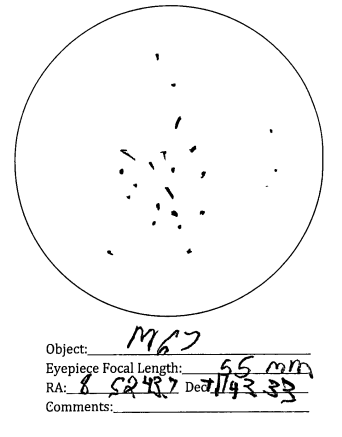
M67
M67, also known as the King Crobra Cluster, is about 2,610 to 2,930 light-years from Earth. Its
brightness is 6.1 magnitudes, and it lies in the constellation of Cancer. Johann Gottfried Koehler first
discovered M67 in 1779. This cluster is in an unusual location because it is nearly 1,500 light-years
above the plane of the Milky Way galaxy. Most open clusters are distributed along the central plane of
the Milky Way.
Picture Attributes
EYEPIECE FOCAL LENGTH = 55 mm RA = 8h 52m 43.7s DEC = +11° 43' 33"
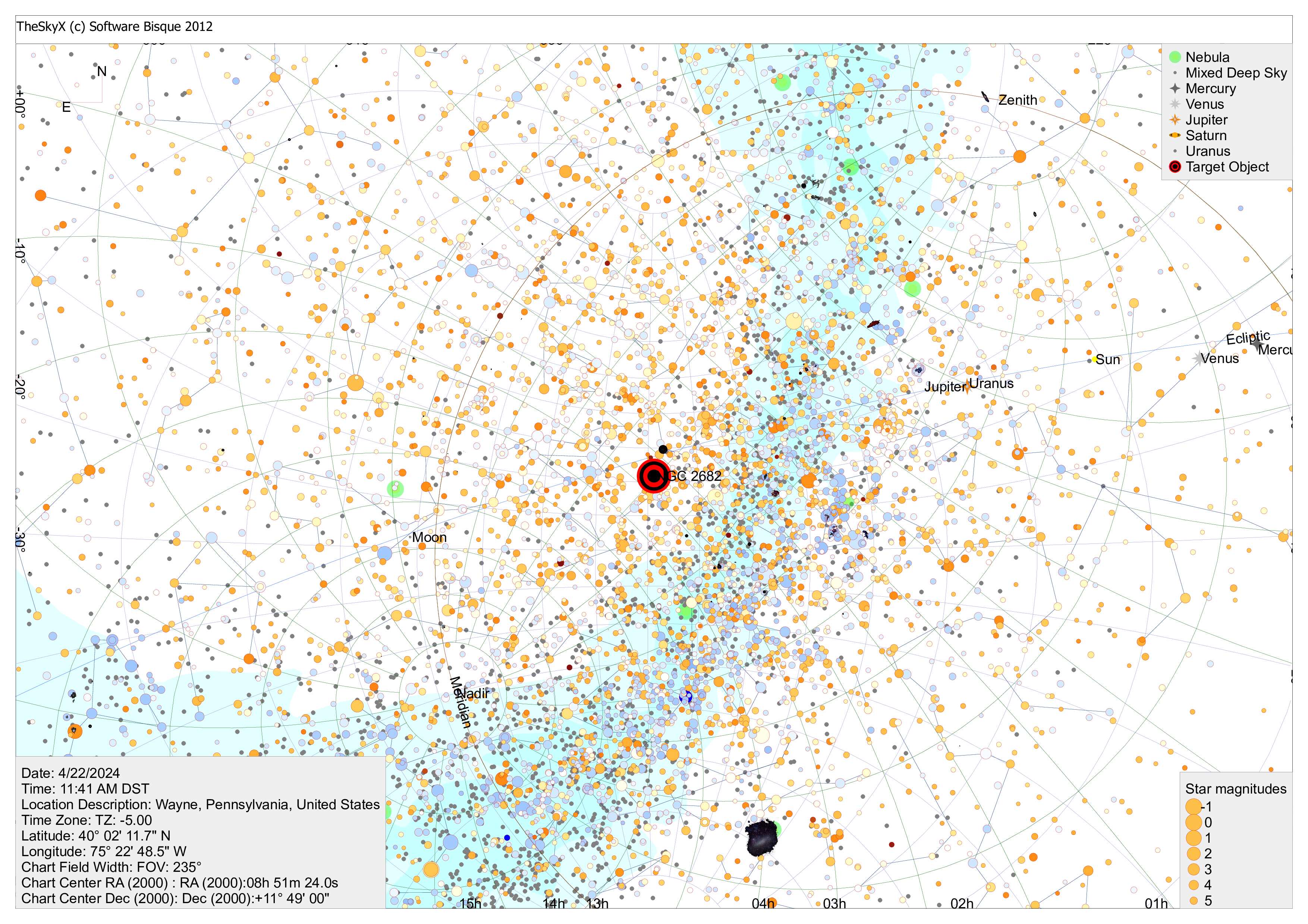
M67 Star Map
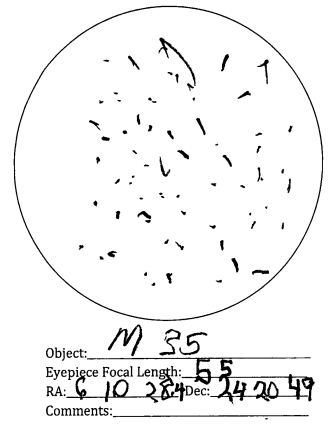
M35
M35 is an open cluster located in Gemini. This cluster has a magnitude of 13; 120 of the stars are
brighter than this and is 2,800 lightyears away from the Earth. This cluster was first discovered by
Jean-Philippe Loys de Chéseaux in 1745. This cluster occupies an area roughly the size of the moon.
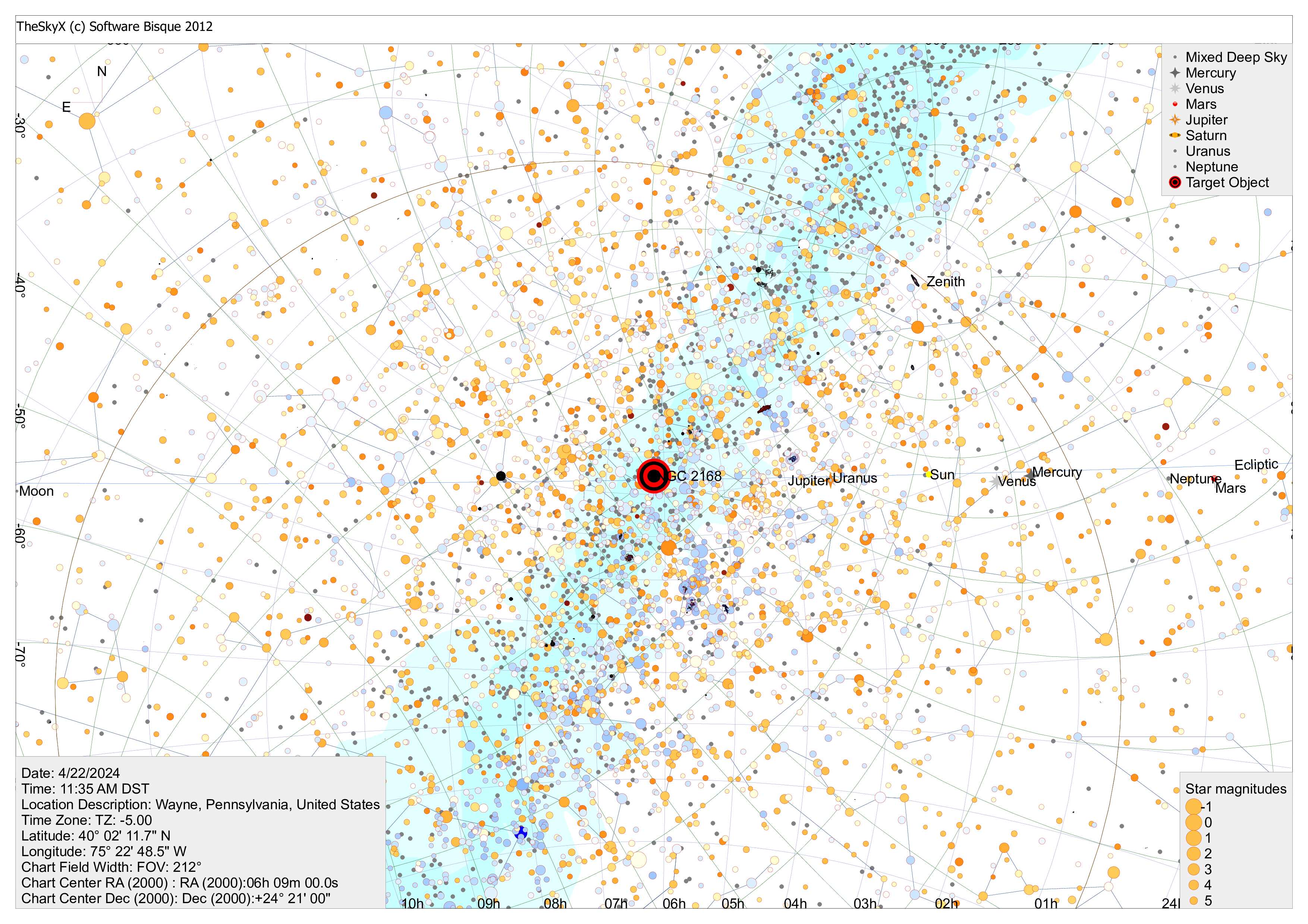
Picture Attributes
EYEPIECE FOCAL LENGTH = 55 mm RA = 6h 10m 28.4s DEC = +20° 24' 49"
M35 Star Map
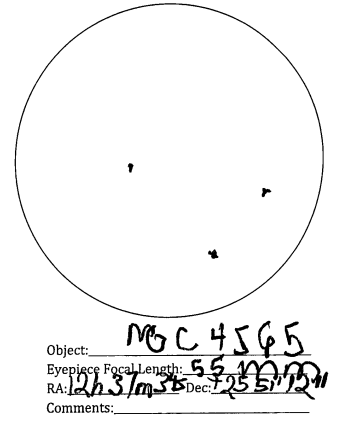
NGC4565
NGC 4565 is a spiral galaxy located in Corona Borealis. It is about 40 million light-years away and has
a brightness of about 9.6 magnitudes. William Herschel discovered it in 1785.
Picture Attributes
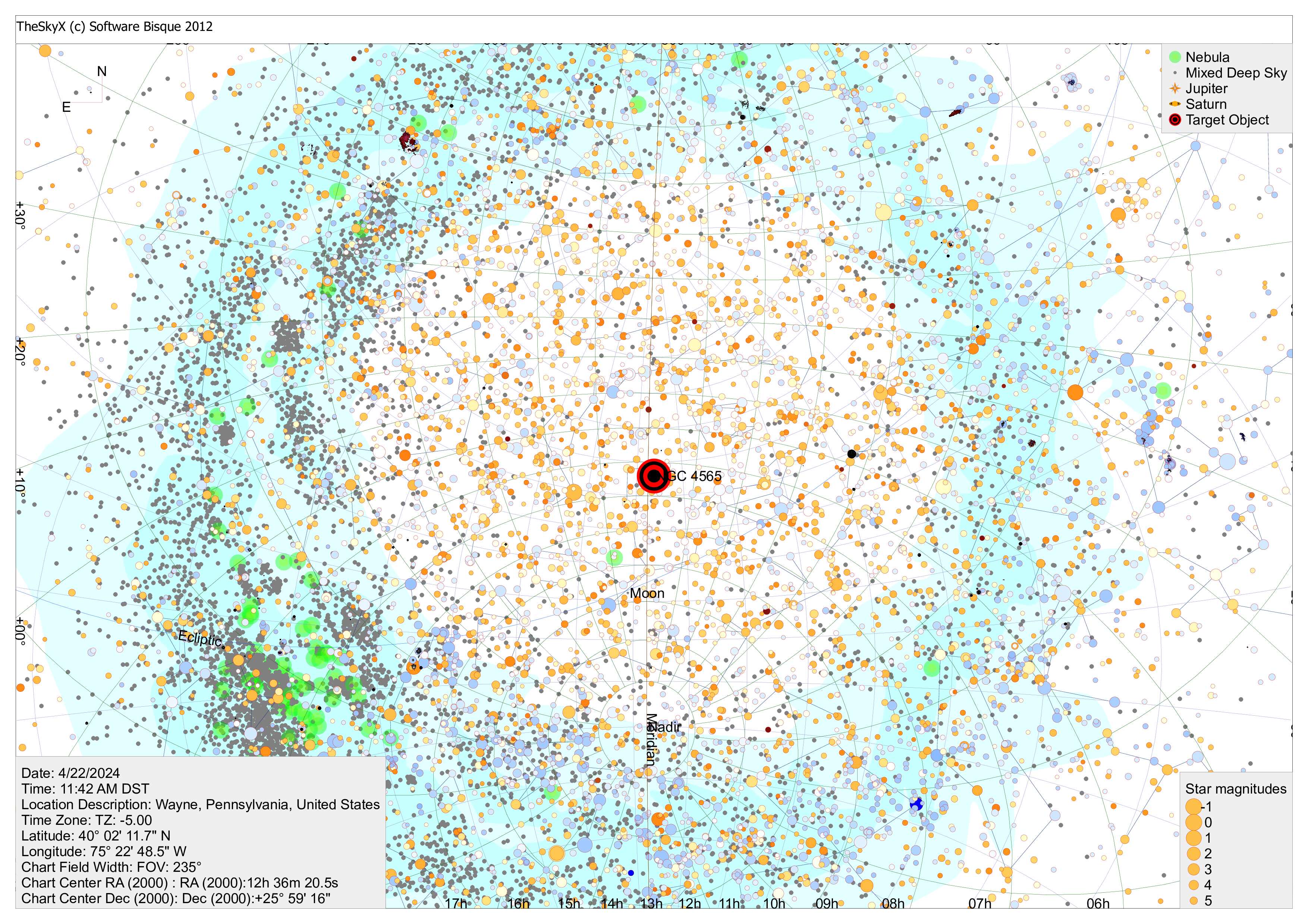
EYEPIECE FOCAL LENGTH = 55 mm RA = 12h 37m 34s DEC = +25° 51' 12"
NGC4565 Star Map
M51
The Whirlpool Galaxy is located about 31 million light years from the Earth with a brightness of 8.4
magnitudes. Also known as M51, it was discovered by Charles Messier in 1773. It has an apparent
magnitude of 8.4 and can be spotted with a small telescope most easily during May.
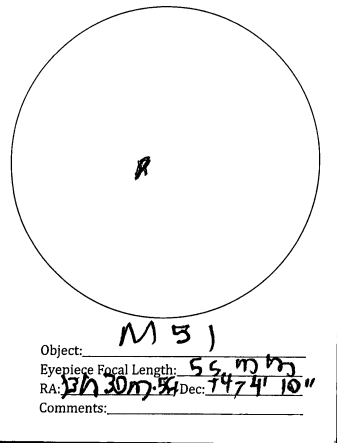
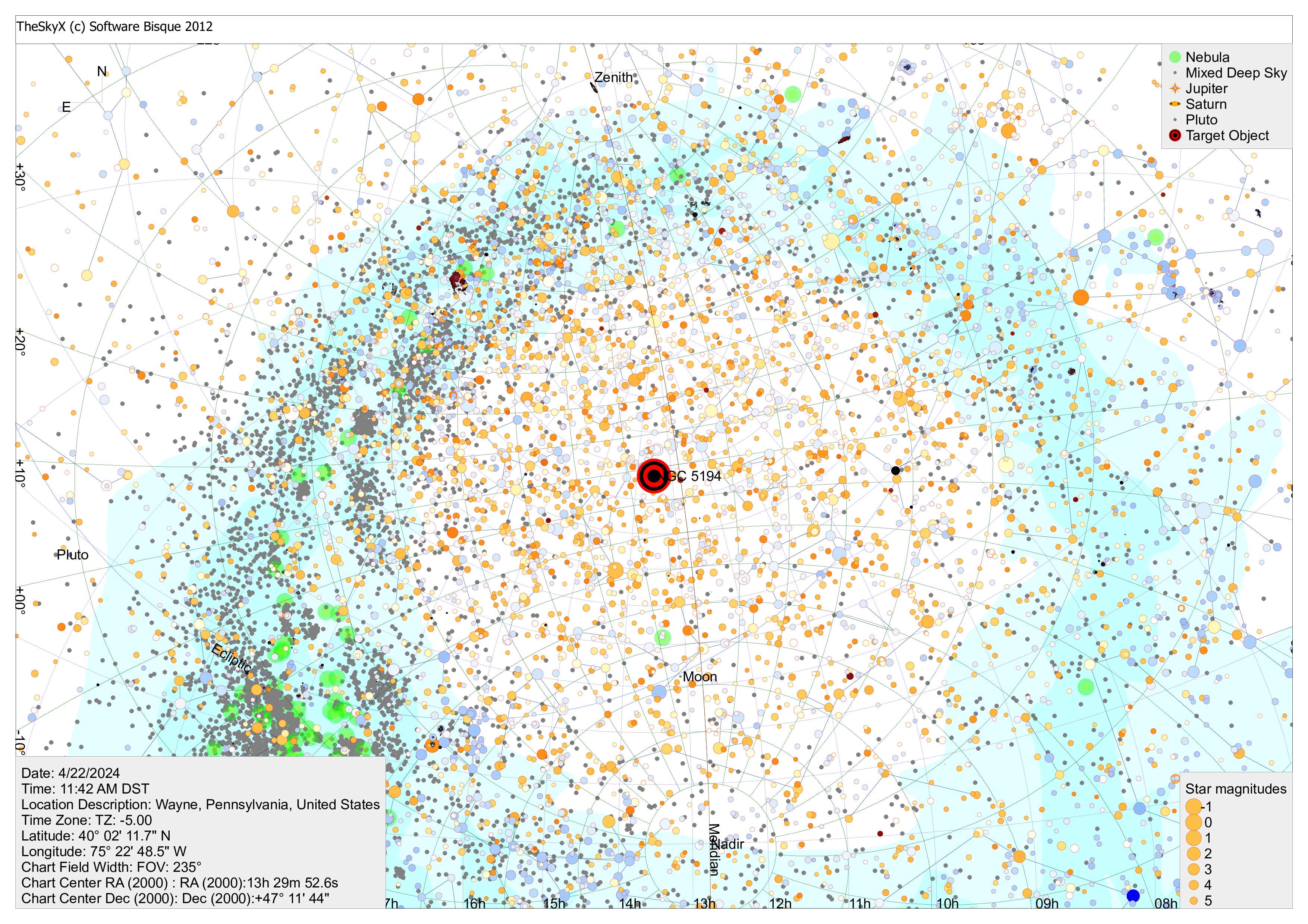
Picture Attributes
EYEPIECE FOCAL LENGTH = 55 mm RA = 13h 30m 54s DEC = +47° 4' 10"
M51 Star Map
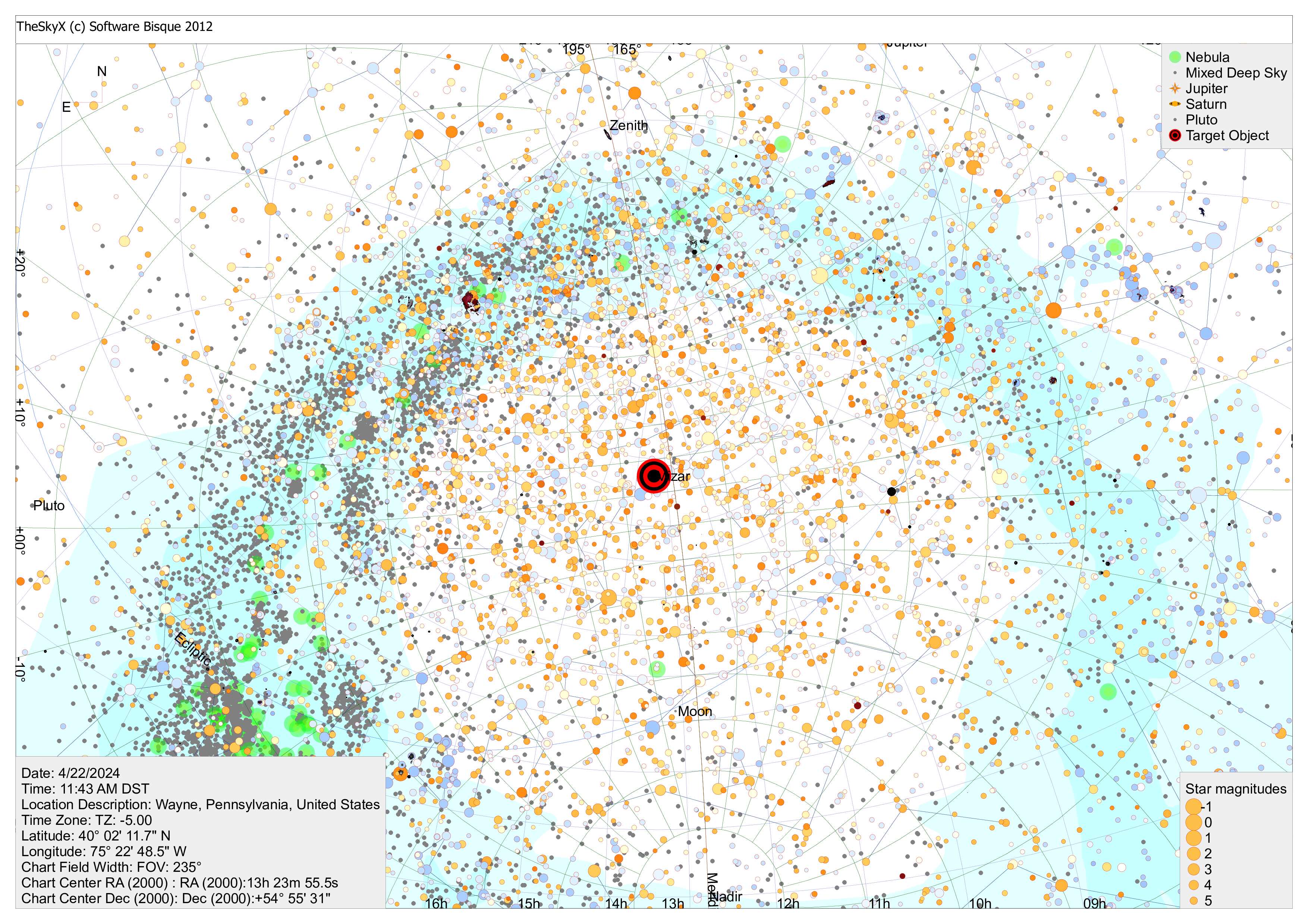
Mizar and Alcor
Mizar and Alcor are found in the Handle of Ursa Major, or the Big Dipper. They are 82 million light
years away from the Earth. Giovanni Battista Riccioli, an Italian astronomer, discovered Mizar as a
double star in 1650. It is significant as one of the most famous double stars in the sky. On the other
hand, Alcor has been known since ancient times and is notable for being visible without a telescope.
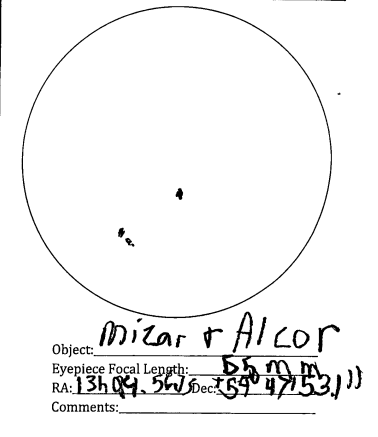
Picture Attributes
EYEPIECE FOCAL LENGTH = 55 mm RA = 13h 94m 56.7s DEC = +54° 47' 53.1"
Mizar & Alcor Star Map
Image Title
This is a description of the image.
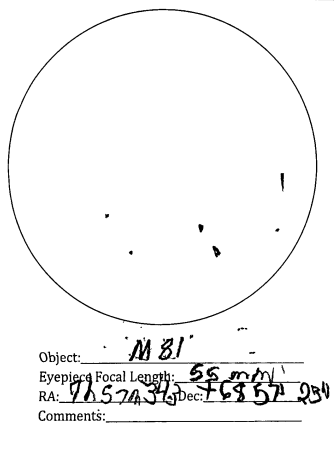
M81
The Cigar galaxy, also known as M81, a spiral galaxy located in the constellation Ursa Major
approximately 11.6 million light-years away with a brightness magnitude of 6.9, was discovered by German
astronomer Johann Elert Bode in 1774. Notably, its bulge is significantly larger than that of the Milky
Way galaxy, adding to its astronomical significance.
Picture Attributes
EYEPIECE FOCAL LENGTH = 55 mm RA = 9h 57m 34.3s DEC = +68° 57' 23"
M81 Star Map
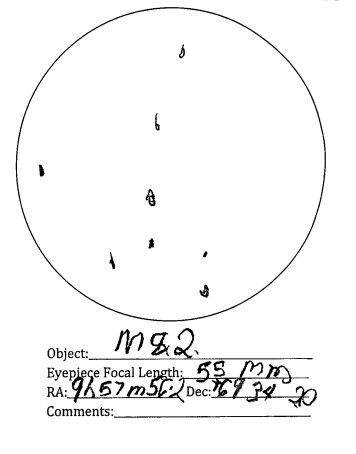
M82
M82, also known as the Cigar Galaxy, is a spiral galaxy situated in the constellation Ursa Major,
approximately 12 million light-years away. Discovered by German astronomer Johann Elert Bode in 1774,
its significance lies in its gravitational interactions with the neighboring galaxy M81, fostering a
remarkable rate of star formation recognized as a starburst.
Picture Attributes
EYEPIECE FOCAL LENGTH = 55 mm RA = 9h 57m 56.2s DEC = +69° 34' 20"
.jpg)